Home Blog Pagina 525

How Brexit produced the largest Conservative majority since Thatcher

LONDON, ENGLAND - OCTOBER 27: Mayor of London Boris Johnson competes in a tug of war during the launch of London Poppy Day on October 27, 2015 in London, England. Poppies have been used to commemorate soldiers who have died in conflict since 1914 and are distributed by the British Royal Legion in the UK in return for donactions to the "Poppy Appeal". (Photo by Ben Pruchnie/Getty Images)

The Conservatives managed a landslide in the general election in the UK on 12th December 2019 by obtaining 365 seats –more than an absolute majority- and inflicting a crushing defeat on the Labour Party –that got only 203 seats. The Scottish Nationalists got 48 seats (13 more than in 2017), the Liberal Democrats obtained 11 seats, with the smaller parties receiving the reminder 23 seats. The electoral outcome was so devastating that the Conservatives have an absolute majority even if all the other parties in Westminster were to vote together against them, they would still be short by 80 votes.

Johnson’s majority is smaller than Thatcher’s in 1983, when the Conservatives got 397 seats, an absolute majority of 144 seats against all other parties combined together; and still smaller than Thatcher’s victory in 1987 with 376 seats (102 seats more than all other parties combined). Thus when contextualised over a larger time span, Johnson’s victory does not look as formidable.

The result came as shocking surprise, especially considering that Labour’s politics were dominated by the phenomenon of Jeremy Corbyn, whose popularity among Labour supporters was very high. It led to a substantial strengthening of the party whose membership high-rocketed to over 800,000 but eventually settled around 480,000 (the largest social democratic party in Europe (the German SPD has 426,000), and almost as large as the combined membership of all the other British political parties (Conservatives – 180,000 -, Scottish Nationalists – 125,534-, Liberal Democrats – 115,000 –, Greens, – 48,500 – UKIP –29,000 –, and Welsh Nationalists – 10,000 –, who, together come to slightly over 500,000). Data from UK Parlament.

Furthermore, most British trade unions are formally affiliated to the Labour Party, and most of them, with some substantial differences on some issues –notably the replacement of Trident – were politically aligned with Jeremy Corbyn, who they have supported solidly since his election as Labour leader in September 2015 at every national conference, defeating attempts by Labour’s Blairite right wing to replace him.

The election results mean that when compared to the 2017 general election, the Tories got 48 extra seats, whilst Labour had a massive loss of 24. However, up to the 2019 election, Labour’s vote was going up, whilst that of the Tories was gong down:


As it can bee seen from the Table 1 above, between 2015 and 2017 Labour was on what seemed a solid recovery by an increase of 30 MPs and 3 million more votes. Labour under Corbyn’s leadership had to wage an electoral campaign not only virtually against all other parties, but also against its own right wing that, commanded by Peter Mandelson, (with Blair pulling the strings from behind) dedicated itself to systematically sabotage and demonize its own party, even to the point of some of its representatives openly calling to vote against their own party. An aggressive campaign of demonization by the corporate media conducted an insidious and discredit sturdily supplemented this.

Under Corbyn Labour’s vote increased by 2,5 million in 2017, denying the Tories a parliamentary majority thus leading the government to bribe the Northern Irish right wing Democratic Unionist Party by increasing spending in that region by £1bn, which secured Theresa May a majority.

The Establishment deemed the intense media hostility both against Corbyn and his radical policies, insufficient, and therefore, it mobilised NGOs, intellectuals, academics, artists and everything else they could among respectable society. At the time, polls gave Labour 32% (May 2015) and 25% in (March 2017). Throughout that period the media and spokespersons of this broad right wing anti-Corbyn coalition, pumped the message that Corbyn was unelectable, aimed at forcing his resignation from Labour’s leadership. Faced with such hostility, it was amazing that Labour increased its vote getting 30 more MPs.

Additionally, Theresa May’s Conservative government was saddled with the issue of Brexit, since it had to confront persistent parliamentary back stabbing from the anti-European wing of her party, especially from Boris Johnson. May lost several parliamentary votes when trying to legislate the implementation of Brexit.

All of this was taking place against the background of the 2016 referendum on the UK’s European Union membership whose result shook all parties, particularly the Conservatives, to their foundations when it was learned that nearly 52% (17,410,742 votes) voted to leave with those in favour of staying obtaining 48% (16,141,241 votes) that is. The turnout was 72%, higher than normal.

With the exception of UKIP, most parties formally campaigned to stay, including the Conservative PM, Theresa May, but also Labour under Corbyn, the Liberal Democrats, the Scottish and Welsh Nationalists, and Greens. Both major parties, Labour and Conservatives, contained active minorities who vigorously championed Brexit. They were substantially stronger among Conservatives, were even ministers resigned in protest against the pro Remain position of Theresa May. They deployed the infamous NHS Bus falsely publicising that upon abandoning the EU Britain’s public health service would receive £350 million per week, amount they argued, Britain was sending in various payments to the EU. FullFact, a fact-checking charity, demonstrated the claim to be false and wrote

Mr Johnson’s most recent claim in the Telegraph is still inaccurate, despite his more careful wording: it doesn’t make sense to talk about taking back control over money that is never sent and never owed to anyone else.

Johnson is not only a ruthless operator but also quite an unscrupulous politician. Throughout the Corbyn years, he would make outrageously inappropriate and unacceptable statements on race, women, the poor, the environment, and so forth and, therefore, was depicted as an insensitive upper-class clown. Johnson’s media appearances in TV interviews projected him as a mumbling trickster who would garble his way out of tough questions, or would just simply utter straight lies. What helped Johnson to get away with such crude lies was the overall gentility deployed by the media, that either engaged in amazing acrobatics or simply suppressed information about it, in sharp contrast with the antagonistic treatment meted out to Jeremy Corbyn and his policies.

This low-level intellectual quality and political shambles has characterised the leadership of the Conservative Party ever since John Major’s Premiership (1992-1997), who sought to salvage the nation from Thatcher’s wreckage by abolishing some of her worst and most unpopular policies such as the Poll Tax. Since then, the low intellectual, level, lack of a UK economic strategy, has characterised this emerging, ever more dominant, extreme right wing leadership, whose politics oozes racism, misogyny, and bigotry.

The Conservative politicians who today dominate the party, individuals such as Boris Johnson, Michael Gove, Jacob Ress-Mogg, Liam Fox, and the like, are extreme pro-market libertarians, anti-statist, deeply opposed to the welfare state – which they seek to dismantle –, and almost irrationally anti EU. Some of them champion extreme ‘Christian’ values on sexual diversity, same-sex marriage and, of course, abortion. Their views have a strong resonance in the party since its membership is 71% male and 97% white (Anna Soubry, “The hard right has captured my old party – and Boris Johnson’s victory proves it“, The Guardian, 23rd July 2019 (Soubry was Tory MP for Broxtowe in Nottinghamshire). Pretty much gone are the ‘one-nation’ Tories, who, broadly speaking, are pro Europe, favour industrial development instead of finance capital, believed in maintaining the bulk of the welfare state, and are modern on abortion, sexual orientation, race, and so forth..

Tough, as can be gauged from the statistics discussed above, it has always been difficult for Labour to defeat the Tories’ formidable politico-electoral machinery, nevertheless under Corbyn’s leadership Labour had developed not only a radical government programme of substantial structural anti-neoliberal reforms, but one that, as testified by many polls, hugely resonates with the electorate with some policies polling well above 70%. Thus in the 2017 manifesto 79% supported that electricity and energy came from low-carbon or renewable sources, 74% were in favour of capping rent prices at the rate of inflation, 68% were in favour of increasing income tax for top 5% of earners, 63% agreed with requiring business to reserve a proportion of seats on their boards for their workers, 60% supported railways to be owned and run by the state, 57% agree with the utilities industries like energy and water companies being owned by the state, 55% supported free university tuition fees for all students, and 52% were against the UK taking part in military interventions in other countries.

Corbyn added that all expansion of the health service that had taken place under Tony Blair, which allowed the private sector to run growing sections of the NHS, including full newly-built hospitals, would all, 100%, be fully nationalised, a policy that elicited enthusiastic support in British society as a whole, especially because Tory austerity had so underfunded the NHS to the point of creating a massive crisis in health provision well captured in video Corbyn issued:

In the face of all the evidence – patients being treated in hospital corridors, people dying in the back of ambulances, hospitals in dire need of repair- they are refusing to give our NHS the money it needs and needs now. The NHS will only survive if we fight for it. (See details of the Tory, austerity-driven, crisis generated in the NHS in Steven Hopkins, “NHS March In London Sees Jeremy Corbyn Blame ‘Tories And Austerity For Crisis’”, The Huffington Post, 3, February 2018).

In fact, the impact of Corbyn’s 2017 manifesto was such that Bloomberg commented Corbyn’s Labour Party will offer voters one of the most radical economic agendas anywhere in the democratic world. (Matthew Goodwin, “‘Corbynomics’ Is More Popular Than You Think”, Bloomberg, 2nd October 2019). Another Bloomberg piece reported with alarm that not only Labour 2017 was endorsed but much more was added to this agenda at the September 2019 Labour conference held in Brighton:
The integration of private schools into the state system;
A Green New Deal that sets a target of 2030 for net zero carbon emissions. (A Labour government would nationalize the country’s big energy firms, ban fracking, and take public transport into state ownership);
The restoration of full trade union rights and workplace rights, rolling out collective wage bargaining;
A 10 pound ($12.36) hourly minimum wage;
A 50,000 pound lump-sum payment to veterans of British nuclear tests for help with medical problems;
A scrappage scheme for polluting vehicles and 2.5 million interest free loans for the purchase of electronic vehicles. The construction, with private investors, of three large battery gigafactories. (Therese Raphael, “Jeremy Corbyn Is Planning a Revolution”, Bloomberg, 27 September 2019)

The titles of the two Bloomberg pieces are telling: ‘Corbynomics’ Is More Popular Than You Think and, Jeremy Corbyn Is Planning a Revolution.

At media and parliamentary debates Corbyn’s performances against May and then Johnson were impressive primarily because he denounced the government austerity policies’ consequences on people, society and economy. Furthermore, he toured the nation delivering rabble-rousing speeches about his progressive vision for the UK. A nationwide, strong grassroots developed and grew out of this. Johnson, on his part, monothematically stressed the need to ‘get Brexit done’. By the end of November, Johnson was actively shunning TV appearances, interviews and debates, and was reported in some of the media as “avoiding scrutiny”.

PoliticsHome revealed the mixed public sentiment by reporting on snap poll taken after the 6th December 2019 TV debate: Corbyn had a 10 point lead on who came across as more trustworthy, and on the NHS, he won 55% to 38%, whilst Johnson won 62% to 29% on who performed best during the section of the debate around Brexit. In other words, if the election were fought on Brexit, the Tories would have the edge, but if the focus was the NHS, austerity and the gross inequalities it had generated, then Labour was likely to carry the day.

Thus the Establishment and the Tories deployed all its resources to exert pressure on Labour aimed at making Brexit the crucial issue of the coming election. The pressure was such that it affected even Corbyn’s inner circle. This served the double purpose: it distracted from Labour radical manifesto and exacerbated Labour’s internal divisions. Furthermore, by Labour adopting a pro Remain position, after the 2016 referendum, depicted Labour as disrespecting the democratic decision of the British people. The Tories’ calculation turned out to be correct: making Brexit the central election issue would give them a crucial edge. The crucial lever of the Establishment to pressurise Corbyn were Labour MPs who were overwhelmingly anti Corbyn.

From the moment Corbyn had been elected Labour MPs had sought to oust him, even going for a parliamentary coup by passing a no confidence resolution against the Labour leader in 2016, which involved even Labour’s Deputy Leader, Tom Watson. The coup involved mass resignations by Labour right-wingers from the broad-based Shadow Cabinet that Corbyn had established to include all shades of opinions in the party. They blamed Corbyn for the Brexit vote. Media reports at the time suggested that about 80% of the Labour MPs were in the plot. In fact, 172 MPs voted for a no-confidence motion against Corbyn, whilst only 40 supported him. This not only triggered a leadership election with Labour’s right seeking to prevent Corbyn from being on the ballot by an unsuccessful High Court action. The ensuing leadership election saw a Corbyn victory with a larger majority.


This breed of Labour MPs was the result of 10 years of Blair leadership who not only shifted Labour drastically to the right (and to the extreme right on international issues as witnessed by the Iraq War) but who also to implemented severe attacks on the party’s internal democracy, which included favouring Labour candidates of a right wing, Blairite, persuasion. Corbyn, therefore, had to contend with this specific aspect of “Blair’s legacy.” A poignant manifestation of this ‘legacy’ was the attitude adopted by the majority Labour parliamentary party on the renewal of the Trident submarine nuclear military system. Labour’s formal position was in support but Corbyn sought a compromise of retaining submarines but without nuclear weapons. The outcome was 140 Labour MPs voted with the Conservative government to renew Trident, 47 joined Corbyn voting against, while 43 abstained. Thus, though it was clear that Corbyn’s leadership was unassailable, the bourgeoisie, the Conservatives and the Establishment had in Labour’s MPs a formidable ally.

This pressure did not confine to statements alone but also led 8 right wing Labour MPS, headed by Black MP, Chuka Umunna, to even break with the party, thus deliberately jeopardising Labour’s electoral chances. The bases of their defection was Corbyn’s supposed inability to stop Brexit and, for good measure, they threw in the well publicised media-led campaign of Labour being anti-Semitic with Corbyn being unable or unwilling to tackle it. When the ‘rebels’ announced more mass defections to follow, this right wing pressure did the trick.

Right wing Labour MPs were also able to mobilise progressive individuals in the parliamentary party, the unions, and among the Labour membership, especially in the South East, to campaign for Labour to go for a second referendum. They eventually managed to saddle Corbyn with such a policy. Thus Corbyn went into the 2019 election with the formal position of a second referendum, which would ask the electorate whether to accept or reject the first referendum. Thus Corbyn, instead of focusing on the Brexit specifics proposed by the Conservative, he caved in and announced:

This will be a trade deal with Europe or remaining in the EU – that will be the choice that will be put before the British people within 6 months. Any other option will require years of negotiations either with the EU or the USA.

Then, he added, “I will adopt, if I am Prime Minister at the time, a neutral stance so I can credibly carry out the result of that to bring our communities and country together rather than continuing endless debate about the EU and Brexit.” This happened on the Question Time national TV programme on 22nd November 2019, that is, days before the general election. The Tories, Johnson and the media quickly capitalised on it. With this statement, Corbyn unwittingly, made Brexit the central issue of the coming election. Thus paradoxically, in order to unite the party, he ended up alienating a crucial part of his electoral base. The media went into full anti-Corbyn gear.

Since his surprising election in 2016, Corbyn faced a relentless, vicious and unscrupulous media campaign against him and his project. Anti-Corbyn media bias was such that led scholars in the LSE to conduct a study, which concluded

“… Jeremy Corbyn was represented unfairly by the British press through a process of vilification that went well beyond the normal limits of fair debate and disagreement in a democracy. Corbyn was often denied his own voice in the reporting on him and sources that were anti-Corbyn tended to outweigh those that support him and his positions. He was also systematically treated with scorn and ridicule in both the broadsheet and tabloid press in a way that no other political leader is or has been. Even more problematic, the British press has repeatedly associated Corbyn with terrorism and positioned him as a friend of the enemies of the UK. The result has been a failure to give the newspaper reading public a fair opportunity to form their own judgements about the leader of the country’s main opposition.”

Prize winner, journalist Jonathan Cook, highlighted the specific role of the BBC in this bias by looking at the work of the Media Reform Coalition and Birbeck, University of London, whose study argued that “imbalanced reporting” has become so grave that it poses a serious threat to the democratic process.” Their study reveals that

“…the BBC is failing to make even the most minimal efforts at even-handedness. The issues it uses to frame its news coverage are nearly five times more likely to present Corbyn in a negative light. Even worse, BBC news headlines during the study period failed to frame any story in a positive light for Corbyn.”
Remember that the BBC, unlike the press, is supposed to abide by strict rules of impartiality, and that its early evening news programme is probably the single most influential source of news for most Britons.”

Media bias against Corbyn never stop and was relentless even to election’s eve, when the charge of Labour being anti-Semitic was raised at the last minute by none other than the Bishop of Canterbury, UK’s maximum religious authority, who on 26th November 2019, publicly endorsed and supported UK’s Chief Rabbi, Ephraim Mirvis, who had said that Jews were “gripped with anxiety” at the prospect of Corbyn becoming Prime Minister. The Bishop, Justin Welby, said that Mirvis’ warning should ‘alert us to the deep sense of insecurity and fear felt by many British Jews’. The charges that under Corbyn anti-Semitism had flourished had by then at least 2 years of longevity.

The Media Reform Group also conducted a study on how anti-Semitism was also used by the media to demonise Corbyn and the Labour programme associated with him. Their report, Labour, Antisemitism and the News. A disinformation paradigm, states

“The Media Reform Coalition has conducted in-depth research on the controversy surrounding antisemitism in the Labour Party, focusing on media coverage of the crisis during the summer of 2018. Following extensive case study research, we identified myriad inaccuracies and distortions in online and television news including marked skews in sourcing, omission of essential context or right of reply, misquotation, and false assertions made either by journalists themselves or sources whose contentious claims were neither challenged nor countered. Overall, our findings were consistent with a disinformation paradigm.”

As it happened, in the 2019 election the Conservatives won 54 seats from Labour, but overall, Labour lost 60. It is very telling that only 8 out of those 60 constituencies had voted Remain, whilst the reminder 52 had voted Brexit in the 2016 referendum, with percentages going from 50.1% (Colne Valley) to 72.1% (Stoke-on-Trent North). Labour lost seats that it had held since 1919, 1922, 1932, 1935, 1945 and 1970, so it would be wrong to draw the conclusion that all of the sudden, the working class bastions of Labour had converted to the brand of Conservatism espoused by Boris Johnson. The only explanation is that a substantial proportion of people in these bastions favoured Brexit and found Labour’s position of another referendum unacceptable since their vote for the first might be worthless.

Poverty, destitution, unemployment, homelessness and other social ills in these Labour heartlands for many were closely associated to the policy of open immigration resulting from Britain’s membership of the European Union. This has been the persistent message to the nation from Conservative leaders, whether in or out of office, since Thatcher: unless immigration is severely curved, the UK and its citizens would continue to suffer these ills and in the last years they have made strenuous efforts to link immigration to terrorism. And, there is no doubt that the pro Brexit referendum campaign intensified racism, bigotry and xenophobia to high levels: according to official figures, recorded hate crime rose sharply by 57% between 2014-15 and 2016-17, with 87% motivated by racial hatred.

Additionally, as can be seen from the table below, Labour lost 2 million votes to pro-remain parties (Liberal Democrats, Scottish and Welsh Nationalists, Greens, and pro-remain in the North of Ireland):


So, what now? Which way forward for the Labour movement in the UK after the crashing defeat of Corbyn, the most radical and most progressive political leadership to emerge in the UK and Europe? Corbynism was political phenomenon that developed and was equipped with the formidable political armoury against neoliberalism, inequality, lack of opportunity, racism, xenophobia and war. Is it all over for Corbyn’s manifesto?

Conclusion

As part of the necessary process of reflection to explain and absorb the lessons emanating from the election defeat, two schools of thought are emerging: on the one hand, the broad anti-Corbyn front that goes from openly fascist currents, the Establishment, the Tories, UKIP, Liberal Democrats, Scottish Nationalists, most of the corporate media, Labour’s right wing and even sections of the so-called Labour left moderates, and on the other, the vigorous social and political movement labelled Corbynism which includes Labour’s rank & file, most of the trade unions and the working class it organises, women, the poor and the marginalised, pensioners, the disabled, ethnic communities, the LGBT community, and all those who were included in Corbyn’s oft-repeated message “for the many, not the few”.

Their concrete interests and aspirations were incorporated in Corbyn’s radical manifesto, a vision of a better country so as to build a better world for them, for their children and for their children’s children, programme that clearly enjoys majority support in society. It is this that the reactionary anti-Corbyn front wishes to destroy. Within Labour’s Right, the key individual is Tony Blair, who has vigorously campaigned against Corbyn and his politics ever since the latter’s election to the party’s leadership in 2016. Blair did this at every election and also in 2019 and at a well-publicised statement hosted by Reuters where, though he criticised the Tories, he said “the Labour party has been taken over by left wing populism”, thus deliberately undermining the party’s leadership and its electoral chances.

No sooner had the elections results been known that media pundits, relishing in his defeat, built up pressure for Jeremy Corbyn to resign. One of the first to hit the waves unsurprisingly was Tony Blair who made an impassionate appeal to Labour to drastically change course and abandon its radical left wing ideology, and take the party to the “centre”. Blair was clear that the central issue is not Brexit but the fact that “The far left that has taken over the Labour party [and] If they’re in charge of the Labour party going forward, then I think the Labour party is finished.” Though he avoided attacking Corbyn personally, Blair savaged Corbynism:

“…politically people saw him as fundamentally opposing what Britain and Western countries stand for, he personified politically an idea, a brand of quasi revolutionary socialism, mixing far-left economic policy with deep hostility to Western foreign policy which never has appealed traditional Labour voters, never will appeal to them and represented for them a combination of misguided ideology and terminal ineptitude that they found insulting.”

This was immediately supported by a declaration of war against Corbyn’s Labour from Blair’s Press Secretary, Alastair Campbell, the media mastermind of the strategy behind legitimising the war against Iraq, fired from the hip by declaring war on Corbynism, calling on disgruntled and disillusioned Labour supporters to re-join the party to drive out “the left wing factions” that currently had the party’s leadership. In this connection, the Express’s headline is indeed eloquent of what this means: Labour civil war: Campbell leads charge of 100,000 moderates in bid to crush Team Corbyn.

On the other hand, there is the overwhelming majority of the membership, even many of those who may have voted for Brexit, who are unlikely to support a shift to the right by Labour as advocated by Blair et al. The shadow Business Secretary and MP, 40 year-old Rebecca Long-Bailey, a strong and loyal Corbynista, is being tipped as a potential successor to Jeremy Corbyn. She, or any other left wing Labour candidate for the leadership, have the enormous advantage of the powerful grassroots progressive and radical movement Jeremy Corbyn created during his leadership.

This movement can gather strength from the substantial popularity of the policies contained in Labour’s Manifesto. In this regard, the stance the trade unions, especially UNITE (the largest and most left wing union in the UK), take with regards to who to support to succeed Corbyn. Though it is too premature to say too much about the next Labour leadership, there are two certainties: Labour’s grassroots will not support a Blairite to replace Jeremy and they will resist shifting the party to the right. Perhaps, the biggest threat may come from a soft-left candidate behind whom Labour’s right will unite.

Labour’s right key argument to shift the party to the “centre’ is predicated on the fallacious argument of the lack of “electability” of Corbyn type of policies. The fact that in the 2015, 2017 and 2019 elections, the Liberal Democrats, the “centrist” party par excellence, performed very poorly, confirms this fallacy. A positive sign that Labour can resist Blair’s push to the right is the fact that of the 25 newly elected Labour MPs, 20 are women, 16 are solidly left wing, and 12 are BAME (Black, Asian and Minority Ethnic Labour), showing that despite the electoral defeat, Labour’s left has been strengthened at the level of the parliamentarians, thus weakening Labour’s right. Furthermore, “Labour now has a majority female parliamentary party.”

The battle lines have been drawn and the defence of Corbyn’s legacy is not just a matter of romantic adherence to purist or radical principles, though principles are certainly involved, his policies will be the essential platform from which to organise the resistance against Johnson’s nasty and ominous neoliberal offensive. Shifting the party to the right will substantially contribute to make its implementation easier. Johnson’s pronouncements to unite the nation and move forward, giving reassurances about economic regeneration and more funding for social services and the NHS are just fakery. He is representative a new breed of hard-right Conservative MPs that have much more in common with Donald Trump than with Thatcher thus, we must expect the worst.

A special report (by The Guardian’s ‘Long Read’) shows the long-standing and strong connection between key ministers and Conservative politicians, including Johnson himself, and extreme US right wing thinktanks such as the Institute of Economic Affairs and the Heritage Foundation, all under the very powerful and highly influential Atlas Network umbrella. In fact, 14 of the 20+ Johnson’s July cabinet ministers were “alumni of IEA initiatives”, (including the ministers responsible for foreign affairs, interior, exchequer, trade, health and so forth). Not only these, and plenty of other thinktanks enjoying multimillionaire funding, played a crucial role in securing Brexit, but the report alleges that “The organisations involved in this collaboration between the US and UK radical right are partners in a global coalition of more than 450 thinktanks and campaign groups called the Atlas Network, which has its headquarters in Arlington, Virginia.

A post-Brexit free Trade Agreement with the US, and “opening up the NHS to foreign competition” are their policy flagships. Furthermore, Johnson will slavishly support any US military adventure anywhere in the world. Thus, to expect moderation from the Johnson government would be seriously misguided.

Of all the UK political parties, only Labour has the strength, the social base, the links with social organizations of the people (trade unions and others) and, provided it maintains its adherence to the Manifesto policies, the capacity to build a formidable political and social coalition to mount meaningful resistance to Johnson’s hard neoliberal government programme. In fact, though discussing what went wrong in the election is important and necessary, a much more urgent task is to start laying the foundations for such a coalition building on Corbyn’s political and moral legacy.

There are two promising signs that this is more than possible: (a) one week after the launch of Labour’s 2019 manifesto, polls showed majority support for all its key policies, except free broadband (47%) and a referendum of a Labour Brexit (42%); and (b) at the 2019 election Labour got the votes of 57% among those in the age of 18-24, 55% among the 25-34, and 45% among the 35-44. With the Tories having substantially lower percentages in those categories (19%, 23%, and 30%, respectively). There is no question that potential in society to oppose Tory austerity and Johnson’s intensification of it, is enormous, especially when considering that these percentages resulted from respondents during a skewed election on Brexit.

Finally, it would be seriously misconceived to believe that these developments are unique to British peculiarities. As discussed above, there is a powerful transatlantic juggernaut, endowed with almost infinite resources, equipped with self-contained dogmas, with a huge media-driven capacity to persuade and influence political leaders, intellectuals, academics and public opinion in general, that can be unleashed just about anywhere in the planet, and certainly anywhere in Europe. In more that one sense, the defense of Corbyn’s legacy is both a British and a pan-European task.

Francisco Dominguez, Middlesex University, Londra

L’analisi di Francisco Dominguez, che qui pubblichiamo integrale, è uscita in una versione ridotta su Left del 31 gennaio 2020

SOMMARIO

Leggi e sfoglia online o con la nostra App
ACQUISTA L’EDIZIONE DIGITALE

Palestina, cronache di un popolo resistente

Vivere un’intera vita senza libertà turba l’anima, il corpo e la psiche. Se accade a un popolo intero e se quell’assenza di libertà si fa strutturale e transgenerazionale, se dura per oltre sette decenni, a risentirne è l’identità culturale, il corpo sociale e la forma mentis collettiva.
L’alienazione del singolo si fa alienazione collettiva, di popolo. È questo il cuore del lavoro che da anni Samah Jabr, medico palestinese, porta avanti. Psichiatra e scrittrice, Samah ha iniziato a raccogliere i suoi pensieri, le sue impressioni e le storie dei suoi pazienti nel 2003, in piena Seconda Intifada, a un anno dall’operazione militare con cui Israele bombardò e mise sotto coprifuoco le principali città della Cisgiordania.

Il libro in cui la dottoressa Jabr ha raccolto il suo lavoro, Dietro i fronti. Cronache di una psichiatra (ed. Sensibili alle foglie, 2019), è diventato un documentario. A realizzarlo la regista Alexandra Dols. Dietro i fronti. Resistenza e resilienza in Palestina, diffuso dalla piattaforma Movieday, sarà presentato in Italia in anteprima nazionale probabilmente a maggio (la presentazione del 2 marzo è stata rinviata per l’emergenza sanitaria ndr) al Multisala Barberini di Roma, sarà poi proiettato al Cinema Lux di Torino, al Beltrade di Milano e al Cinema La Compagnia di Firenze.

Protagonista è Samah, i suoi racconti il filo conduttore del film, arricchito dalle testimonianze di persone portatrici ognuno di un pezzo di identità palestinese: il sociologo El-Sakka Abaher; l’arcivescovo greco-ortodosso Atallah Hanna; l’attivista e panettiere Sheikh Khodor Adnan; la rifugiata gerusalemita Deema Zalloum, la co-direttrice di Aswat, gruppo femminista e Lgbtq+, Ghadir Shafie; e l’ex prigioniera politica Rula Abu Diho.
Sullo sfondo c’è la Palestina dei checkpoint e dei lavoratori in fila di notte per ore per andare oltre il Muro a lavorare a giornata, quella della festa per la liberazione di un prigioniero politico e quella delle manifestazioni contro l’occupazione, c’è la Palestina della…

L’articolo prosegue su Left in edicola dal 28 febbraio

SOMMARIO

Leggi e sfoglia online o con la nostra App
ACQUISTA L’EDIZIONE DIGITALE

L’odissea di Omar e Nat, respinti verso le bombe

TOPSHOT - Illegal migrants wait to receive aid distribution provided by the International Organization for Migration (IOM) in cooperation with the Libyan Red Crescent at the Tulmitha Detention Center some 100 kilometres east of the Libyan city of Benghazi, on September 3, 2016. / AFP (Photo credit should read /AFP via Getty Images)

Omar avrebbe voluto tanto laurearsi. Studiare, fare una vita tranquilla. Invece si trova su un gommone in mezzo al Mediterraneo. È domenica 16 febbraio quando, assieme ai suoi compagni di viaggio, in gran parte sudanesi, decide di partire dalle coste libiche nei pressi di Garabulli alla volta dell’Europa. È lì perché vuole fuggire, finalmente, da un Paese in cui è stato torturato, spedito forzatamente al fronte della guerra civile in atto, ha visto morire suoi amici. È un ragazzo sveglio, e non ha intenzione di arrendersi.

Non molto distante da lui, a bordo di un altro gommone carico di esseri umani, c’è Nat. La sua odissea prosegue ormai da otto anni, da quando nel 2012 decise di abbandonare l’Eritrea. Torturato nel deserto del Sinai dai trafficanti di esseri umani, poi deportato da Israele in Rwanda, poi arrivato in Libia, è stato rinchiuso in tutti i peggiori lager per migranti del Paese. Ha gravi problemi di salute mentale a causa dei traumi subiti. Un fratello, che lotta per lui a distanza, lo aspetta col cuore in mano in Gran Bretagna. Lui ce l’ha fatta, ha ottenuto lo status di rifugiato oltremanica.

Omar e Nat sperano forte di potersi lasciare alle spalle il proprio passato, difficile anche da nominare. Confidano di abbandonare la Libia una volta per tutte. Le loro imbarcazioni però viaggiano controvento. Con quei motori e con quel carico di persone la velocità è ridotta. Il gommone di Omar, dopo un’intera notte di navigazione sotto le stelle, si trova a circa 40 miglia nautiche dalle coste nordafricane, oltre le acque territoriali libiche, quando il rombo di un aereo della missione Ue Sophia si fa sempre più forte. Il bimotore ad elica, che i radar del traffico aereo disponibili online identificano come un assetto della missione europea gestito dall’esercito del Lussemburgo, sorvola i profughi la mattina di lunedì 17 febbraio. Dovrebbe essere un momento di gioia. Lo sciabordio delle onde ha sostituito ormai i boati dei mortai di Tripoli, da lì non se ne sente nemmeno l’eco, ed un velivolo militare del continente culla dei “diritti umani” li ha appena intercettati. Invece a prevalere è il timore.

Da quando la Libia ha una zona Sar di ricerca e soccorso riconosciuta a livello internazionale, le autorità europee che…

L’inchiesta prosegue su Left in edicola dal 28 febbraio

SOMMARIO

Leggi e sfoglia online o con la nostra App
ACQUISTA L’EDIZIONE DIGITALE

Cani sciolti e terroristi di Stato

Two women hold up a posters during a solidarity rally In Hanau, Germany Saturday, Feb. 22, 2020, three days after several people were killed in a shooting at the city. Poster at left reads " German state protects nazis, who protects us?".(AP Photo/Michael Probst)

Hanau era considerata un melting pot, un’isola di tolleranza dove la multietnicità esisteva ben prima dell’arrivo in Germania di circa un milione di richiedenti asilo cinque anni fa. L’attacco armato del 19 febbraio da parte di Tobias Rathjen in due locali della cittadina tedesca ha fatto dieci morti, fra i quali la madre, culminando nel suicidio: la maggior parte delle vittime proveniva da famiglie turche o curde residenti in Germania da generazioni. Negli ultime tre decadi la popolazione tedesca si è progressivamente diversificata per la presenza di immigrati che costituiscono quasi un quarto del totale che è di 86 milioni di abitanti: chi può dirsi allora tedesco e chi straniero?

Il nuovo contesto culturale a ambientale favorisce le formazioni di estrema destra che sono divenute sempre più aggressive con la nascita e l’affermazione in parlamento nel 2018 della AfD (Alternative fur Deutschland): il leader Alexander Gauland ha definito il nazismo una cacca di uccello cioè una macchia irrilevante. Il numero di delitti legati alla campagna di odio della destra estrema sono cresciuti da 1200 nel 2017 a 1664 nel 2018 secondo i rapporti della polizia: sono state colpite minoranze o politici chi si battevano per il supporto ai rifugiati. Il 2 giugno 2019 un politico conservatore Walter Lübcke che sosteneva la causa dei migranti è stato assassinato. Un uomo con legami con ambienti neonazisti e una storia di aggressioni a minoranze straniere ha confessato l’omicidio, considerato dalle autorità il primo dall’era nazista effettuato da un appartenente alla destra estrema. Il 9 ottobre 2019 un individuo con una “streaming head camera”, a imitazione del terrorista australiano Brenton Tarrant, ha sferrato un attacco contro una sinagoga di Halle uccidendo due persone.

I profili di questi attentatori sono incredibilmente simili. Tutti sono individui socialmente isolati che passano moltissimo del loro tempo on line e hanno problemi con le donne. Tutti creano dei manifesti che sono patchworks ideologici che inneggiano al suprematismo bianco e al razzismo. Particolarmente interessante sotto il profilo psicopatologico è la lettera che Tobias Rathjen ha reso disponibile sul web prima della sparatoria. In essa, fra le tante farneticazioni complottistiche e di furto del pensiero, di sostituzione etnica, deliri di influenzamento e di controllo planetario da parte di misteriose organizzazioni, si dice che se esistesse…


L’articolo prosegue su Left in edicola dal 28 febbraio

SOMMARIO

Leggi e sfoglia online o con la nostra App
ACQUISTA L’EDIZIONE DIGITALE

Un Paese senza nuovi cittadini è un Paese senza futuro

Il 17 gennaio di 10 anni fa, nel 2010, a Milano veniva presentato un manifesto programmatico che sembrava poter scuotere, dalle fondamenta, le questioni inerenti l’immigrazione in Italia. Pochi giorni prima c’era stata a Rosarno, in Calabria, la rivolta delle persone sfruttate nei campi e attaccate da ‘ndranghetisti e razzisti. Non era la prima volta che capitava, ma in quel caso i braccianti avevano deciso di reagire con un corteo che attraversò il paesone nella Piana di Gioia Tauro, devastando automobili; erano persone stanche di subire sfruttamento e soprusi ma a cui l’unica risposta che giunse fu una violenta carica delle forze dell’ordine e poi la deportazione in altre aree del Paese. Ma gli stessi lavoratori, intervistati, sapevano che una soluzione non poteva passare per lo scontro violento. Le immagini e i video divennero virali nei social e ci furono uomini e donne, autoctoni e migranti che cominciarono, anche attraverso un uso intelligente di Fb, ad elaborare una risposta. La proposta fu semplice quanto geniale e partiva da un quesito solo apparentemente utilitaristico.

Cosa accadrebbe in Italia se, dando retta agli xenofobi che già allora si erano fatti sentire attraverso i “pacchetti sicurezza” di maroniana memoria e l’assenza di risposte sensate del mondo progressista, tutti gli uomini e le donne di origine straniera avessero deciso di tornare a casa propria? Non solo si sarebbero bloccati interi comparti dell’economia, dal lavoro di cura, alla ristorazione, all’agricoltura, alla logistica, all’edilizia eccetera, ma si sarebbe persa una parte fondamentale e trainante per il futuro dell’Italia stessa. L’idea a dire il vero era già maturata in Francia e stava prendendo piede in altri Paesi europei alle prese con le stesse dinamiche e ovviamente voleva essere soprattutto una provocazione sociale. Si scelse una data, quella del primo marzo, come simbolo un fiocco giallo e un insieme di rivendicazioni che tuttora non hanno ricevuta risposta adeguata. Si scelse di fare del Primo Marzo una giornata non violenta di sciopero bianco, di astensione dagli acquisti, di mobilitazione pacifica e di incontro in cui superare il binomio “noi /loro”. Si scelse di creare uno spazio aperto che chiunque, con le proprie identità poteva far proprio a condizione di non usarlo come ambito da monopolizzare e in cui questioni come la riforma della legge sulla cittadinanza, il rifiuto dei rimpatri forzati, di ogni forma di sfruttamento – perché chi lavora deve essere retribuito in maniera eguale, indipendentemente dalla provenienza – l’investimento in politiche per la convivenza, il rifiuto di ogni forma di razzismo e discriminazione, la chiusura dei centri di detenzione (allora Cie oggi Cpr), tante domande e tante aspirazioni. Immediatamente si formarono, quasi spontaneamente comitati “Primo Marzo” in decine di città, si creò una rete si tentò di coordinare il lavoro nei territori rispettandone l’autonomia. Il progetto riscosse anche una certa attenzione mediatica, a parlare nei talk show andarono finalmente anche i diretti e le dirette interessate, soprattutto giovani di quelli che già definivamo con un termine che andava stretto “seconde generazioni”. Il coinvolgimento anche nelle realtà di provincia fece emergere un tessuto sociale nuovo, ricco, plurale e meticcio, in cui era contemporaneamente complesso e facile stare e inserirsi, era sufficiente garantire il rispetto del pluralismo interno. E va detto, anche se sembra di parlare di un’età dell’oro, si respirò anche una forma di simpatia diffusa verso questo movimento che non urlava ma proponeva senza rinunciare ai propri contenuti e ad una necessaria radicalità. Si provò a proporre anche ai sindacati confederali di fare propria questa data per indire una giornata di sciopero. La risposta fu tiepida e forse miope, ci fu chi la bollò col marchio di “sciopero etnico” e chi pensava che i tempi, in un periodo in cui già arrivavano i primi morsi della crisi economica, non erano adatti, né maturi.

Il sindacalismo di base reagì alla proposta in maniera più possibilista ma di fatto scioperare era impossibile a causa delle leggi sulla rappresentanza sindacale e in virtù del fatto che per persone il cui salario era già più basso dei lavoratori italiani, una giornata di sciopero era un lusso. Eppure in molte e in molti risposero positivamente, non si recarono al lavoro, evitarono di fare acquisti, fecero sentire il proprio peso non solo economico ma sociale. E furono tante le piazze che divennero teatro di discussione pubblica come oggi forse sarebbe difficile effettuare. Era l’epoca in cui l’allora sindaco di Treviso, Gentilini suggeriva (ma diceva che era una battuta) che bisognava vestire gli immigrati da leprotti, per poi poter dar loro la caccia. Ma si discuteva e si tentava di costruire opposizione anche culturale alla barbarie che già si andava imponendo. La vicenda non durò un solo anno, per molto tempo ad ogni Primo Marzo, ma ogni anno in maniera più flebile e poco rappresentativa, si organizzarono manifestazioni, incontri, giornate di richiamo a tale percorso, per tanto tempo si provò a far capire che “una giornata senza di noi” si poteva tradurre in un paese piatto, senza futuro, privo di prospettive anche culturali e per certi versi destinato a perdere umanità. E se avessimo bisogno adesso di un Primo Marzo? Magari più maturo e capace di confrontarsi con la politica, con il circuito mediatico, con le diverse generazioni che si incrociano, ricostruendo un messaggio comune? Il contesto è cambiato: oggi un Primo Marzo sarebbe davanti ai porti, ai cosiddetti Centri di Accoglienza Straordinaria resi ancora più ghetti dai vari governi che si sono succeduti. Si tratterebbe di tornare ad unire gli sforzi che si continuano a compiere nei campi o nella logistica con le rivendicazioni per portare a rimuovere le leggi securitarie che si sono accumulate nel Paese che risalgono a prima del 2010, come la Bossi Fini e a dopo, con tutte le normative messe in atto per mantenere in condizioni di subalternità 5,4 milioni di persone, l’8,7% della popolazione a cui vanno aggiunti i tanti e le tante che, in quanto non garantiti, anche se “italiani Doc” non rientrano in quelli che tanto Salvini quanto l’intero impianto neoliberista non saranno mai capaci di difendere. Si tratterebbe di tornare a far seriamente politica a sinistra e su contenuti forti e di prospettiva. A questo forse servirebbe anche un nuovo “Primo Marzo”.

P.S. Per una curiosa coincidenza questo primo marzo 2020 entrerà in vigore una nuova legge sull’immigrazione che faciliterà ingressi soprattutto per sopperire a riempire comparti occupazionali che lamentano scarsità di persone. Chiaramente non è la agognata libertà di circolazione e corrisponde ad una esigenza stringente del mercato del lavoro. Si tratta di prospettive legate sia al lavoro altamente qualificato sia a mansioni meno retribuite ma comunque in condizioni di vita certamente migliori e con maggiori garanzie anche per il proprio futuro. Il Paese nel 2035 potrebbe aver bisogno, a causa del progressivo invecchiamento e della bassa natalità di circa 4 milioni di persone abili al lavoro e pronte a sostituire gli attuali occupati. Ah dimenticavamo, non si tratta dell’Italia ma della Germania.

Salviamo Assange, l’uomo che fa tremare i potenti

È un crimine rivelare i crimini di guerra? Quali sono i confini tra il giornalismo e lo spionaggio? È giusto che le libertà digitali vengano confiscate da poteri statali e potentati economici? E quali sono i limiti del segreto di Stato? C’è tutto questo in ballo alla Woolwich crown court, periferia di Londra, a pochi metri dal carcere di Belmarsh dove Julian Assange è rinchiuso dall’aprile del 2019. Per il verdetto finale ci vorrà tempo ma finché governeranno i tories, il sì di Londra è scontato da quando il ministro dell’Interno, Sajid Javid, ha annunciato la firma dell’istanza d’estradizione negli Usa.

Con buona pace della clausola del trattato del 2003 che vieta le estradizioni per reati politici. D’altronde i giornalisti investigativi, con terroristi e spie russe, sono da dieci anni in testa alla classifica dei nemici pubblici del ministro della Difesa. Inoltre, se vincesse la linea Trump, dovrebbero essere considerati complici di spionaggio tutti i giornali che hanno collaborato con Wikileaks, tipo Guardian, Spiegel o Le Monde. Un enigma che aveva indotto Obama a desistere dalla caccia.

La prima udienza del processo di primo grado sulla sorte del fondatore di Wikileaks è in corso dal 24 febbraio ma solo a maggio verrà emessa una sentenza appellabile. Washington, che lo insegue dal 2010, ha rincarato la prima accusa di pirateria informatica, per la quale rischiava cinque anni, con quella di “spionaggio“ che lo sfilerebbe alla protezione dello scudo del primo emendamento e, una volta al di là dell’oceano, chiuderebbe per 175 anni la porta di una prigione alle spalle del 48enne australiano artefice della pubblicazione di …

L’articolo prosegue su Left in edicola dal 28 febbraio

SOMMARIO

Leggi e sfoglia online o con la nostra App
ACQUISTA L’EDIZIONE DIGITALE

Traditi dal Capitano, la carica dei 455 poliziotti

Salve, siamo i 455 ragazzi idonei al servizio in Polizia di Stato, ingiustamente esclusi a causa di una legge anticostituzionale che ha portato, dopo un anno, a concorso ormai iniziato e con una graduatoria già stilata, alla modifica dei requisiti di un bando pubblico, in particolare il limite di età, abbassato da 30 anni a 26». La vicenda narrata in questa lettera arrivata a Left sta rovinando la vita di centinaia di persone, molte delle quali avevano lasciato un lavoro regolare in vista della partenza per il corso. Tutto inizia a novembre 2018. Da alcuni mesi scorrazza per lo Stivale un ministro degli Interni che ama farsi riprendere in uniforme. Il bacino elettorale dei cittadini in divisa è uno di quelli che ha spedito Salvini ai vertici della politica grazie a una retorica che sfiora spesso l’apologia di reato quando entra a gamba tesa nei casi di abusi in divisa, celebri le sue invettive social contro Ilaria Cucchi.

È proprio la Lega a presentare l’emendamento al Decreto semplificazioni che trucca il concorso riservando l’assunzione, da una graduatoria già stilata, dei soli candidati under 26 e con il diploma superiore. Alla base sembra esserci l’idea che i poliziotti siano troppo vecchi, poco istruiti e troppo meridionali: difficile mandare a lavorare in strada dipendenti che hanno diritto “alla 104”, ossia a lavorare il più vicino possibile a casa e a prendere permessi retribuiti per assistere familiari invalidi. Però tra i requisiti di quel concorso – pubblicato il 26 maggio 2017 in Gazzetta ufficiale – c’erano il diploma di scuola media e non aver compiuto 30 anni. Si trattava del reclutamento di 1.148 allievi agenti; 893 posti erano riservati ai civili, 179 ai militari in servizio e 76 per i militari in congedo.

Dopo le prove scritte, il 27 ottobre 2017 escono le graduatorie più un incremento dei posti (da 893 a 1182, da 179 a 645 e da 76 a 276). Passano alle successive selezioni candidati con punteggi da 10 a 9.625 decimi.
L’emendamento diventa legge il 12 febbraio 2019. Da maggio a luglio sarà la volta…

L’inchiesta prosegue su Left in edicola dal 28 febbraio

SOMMARIO

Leggi e sfoglia online o con la nostra App
ACQUISTA L’EDIZIONE DIGITALE

A bottigliate in faccia

Qualche giorno fa Zhang, un ragazzo di origine cinese, si è fermato per fare benzina alla sua auto in una stazione di servizio a Cassola, Vicenza, non lontano da Bassano del Grappa. Avendo una banconota da cambiare è entrato nel bar della stazione di servizio ed è stato accolto con la frase “sei cinese, hai il coronavirus qui non puoi entrare”. Nel frattempo un avventore del bar si è alzato e ha pensato bene si spaccargli una bottiglia sulla faccia.

«La cosa più grave, forse anche più dell’aggressione, è che nessuno è intervenuto in difesa di quel ragazzo né si è avvicinato a lui per soccorrerlo», dichiara un testimone a Open.

Ma quella bottiglia ha diversi padri, dietro ci sono tutti quelli che hanno soffiato sul fuoco e hanno instillato odio.

Per uno scherzo del destino ora sono gli stessi che dicono che però “si sta esagerando”. Un esempio?

Libero il 22 febbraio apriva in prima pagina così: “Vade retro virus” e poi “Primo morto: un 77enne a Padova”.

Libero il 23 febbraio apriva in prima pagina così: “Prove tecniche di strage” e poi “Il governo agevola la diffusione del virus”.

Libero ieri apriva in prima pagina così: “Virus, ora si esagera” e poi “Diamoci tutti una calmata”.

Sono così: si accorgono sempre dopo le bottigliate in faccia. Sempre tardi. Bravi così.

Buon venerdì.

Andrea Filippi: Servizio pubblico a prova di coronavirus

Il ministro della Salute Roberto Speranza (d) e il direttore scientifico dello Spallanzani prof. Giuseppe Ippolito ospiti della tramissione ëíMezzíora in piuíëí condotta da Lucia Annunziata, Roma 2 Febbraio 2020. ANSA/GIUSEPPE LAMI


Intervista ad Andrea Filippi, medico psichiatra e segretario nazionale Fp Cgil Medici.

Dottor Filippi l’Italia è il Paese che, fino ad oggi, ha registrato il maggior numero di casi di infezioni da Coronavirus, dopo Cina e Corea. Questa emersione è dovuta al buon lavoro di ricerca dei nostri medici? Altrove magari non si fanno controlli così accurati e non si conosce realmente la situazione?
Non saprei dire se l’Italia nel fare tutti questi controlli sia stata più solerte di altri Paesi. Il vero problema è che, in una situazione di contagio di questo tipo, non ci sono ancora dei criteri diagnostici precisi che permettano di individuare quali sono i veri soggetti a rischio. Anche le indicazioni del ministero della Salute sono abbastanza aspecifiche, dicono «polmoniti atipiche». Ad oggi non c’è un’epidemia in Italia ma se vogliamo davvero prevenirla dovremmo essere più precisi nell’indicare quando è necessario il tampone.

Perché è importante che tutto il Paese si muova in questa direzione?
Intanto perché l’Italia è uno dei pochi Paesi in Europa ad avere avuto dei veri pazienti zero. Ovvero persone che hanno sviluppato l’infezione qui. Ciò significa che sono trascorsi giorni senza che avessimo la tracciabilità dell’infezione. Non sappiamo dove quel paziente o quei pazienti sono andati. Da noi si è verificata una situazione che potrebbe dar adito a una vera e propria epidemia per questo dobbiamo intervenire in maniera più massiccia. Di per sé questa influenza non sarebbe tanto più pericolosa e più mortale rispetto alle altre, ma è più temibile perché non abbiamo vaccini e anticorpi.

Potremmo definire il Covid-19 un virus del tutto nuovo?

È un virus RNA, e come tutti i virus di questo tipo è ad alta mutazione. È un coronavirus. Le influenze e i raffreddori dei bimbi sono sempre coronavirus, parliamo di virus comuni che di per se’ non sono pericolosi. Ma questo è un virus ad alta contagiosità, che può provocare infezione delle vie aree profonde, può portare alla polmonite e solo nelle persone più fragili come ad esempio gli anziani può anche essere mortale. Ma ribadisco, il punto è che per questo virus non abbiamo ancora il vaccino e la popolazione generale non ha sviluppato gli anticorpi quindi il problema è circoscrivere i focolai per prevenire l’epidemia

Quanto tempo ci potrebbe volere?

Per avere un vaccino con tutte quante le prove ci vuole in media un anno, un anno e mezzo. Se nel frattempo si sviluppasse un’epidemia sarebbe un grosso problema soprattutto sociale.

Non avremmo possibilità di terapia intensiva per grandissimi numeri di persone, immagino.

Sì, ma non solo. Anche nei reparti normali per ricovero da polmonite il sistema collasserebbe. Perfino le cure a domicilio di persone che si ammalano per normali influenze in quello scenario sarebbero un problema. Un’epidemia su così larga scala metterebbe in ginocchio il sistema sociale del Paese. Se si sviluppasse un’epidemia – che al momento non c’è – dovremmo militarizzare il Paese, ipotizzando un approccio sanitario simile a quello dei periodi di guerra.

Dunque, quelle intraprese non sono misure draconiane, eccessive?

Sono misure preventive. Non per prevenire un’alta mortalità che altrimenti ci sarebbe, come vorrebbe far credere chi fa allarmismo, ma messe in campo per evitare l’epidemia. Se non circoscriviamo i focali, è molto probabile che il contagio si diffonda e non ci possiamo permettere un’epidemia di un virus per il quale ancora non c’è il vaccino.

Gli operatori sono i più a rischio?

Delle questioni più generali di tutela del lavoro si sta occupando la confederazione generale che ha incontrato il ministro del lavoro Catalfo. La Cgil funzione pubblica ha incontrato il ministro dell’amministrazione pubblica Dadone. Come Cgil medici siamo preoccupati per la carenza di operatori che è già drammatica oggi. In questa situazione vengono al pettine tutti i nodi di un sistema sanitario frammentato. Un sistema diviso per regioni non sarebbe in grado di rispondere ad un’epidemia. Per farlo è necessaria la centralizzazione del servizio sanitario nazionale.

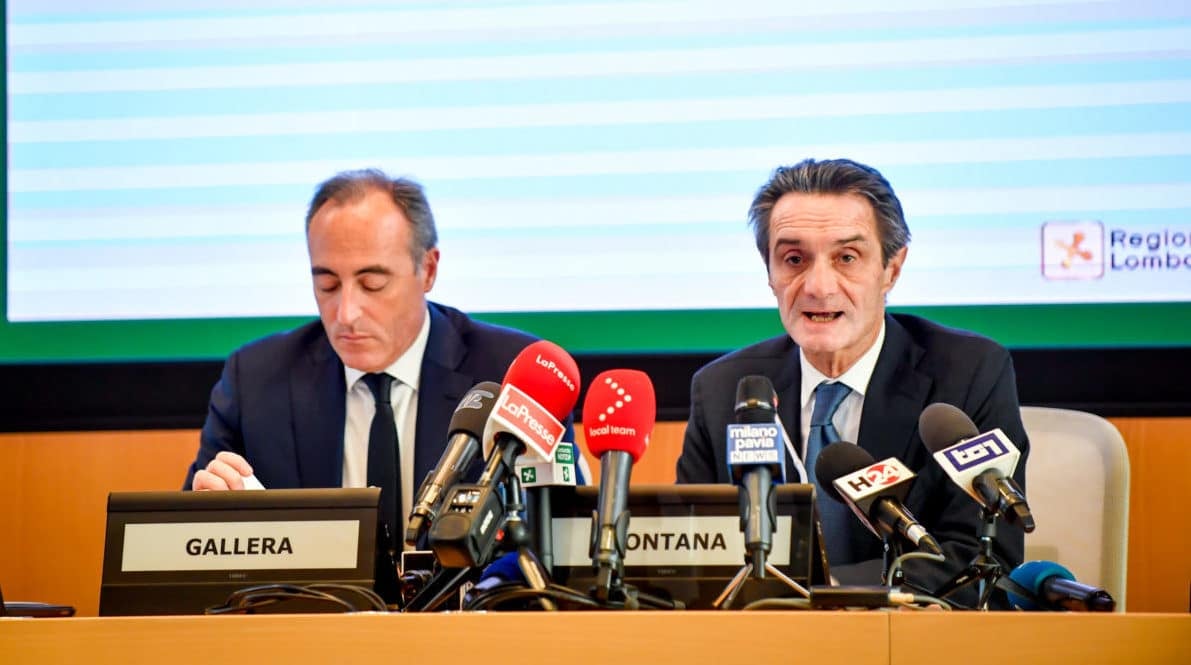
Il ministro della Salute Roberto Speranza ha detto no a iniziative unilaterali chiedendo un coordinamento unico nazionale con le regioni, su basi scientifiche. Il governo si sta muovendo in quella direzione ma i governatori leghisti come Fontana gridano al colpo di Stato…

A livello organizzativo nelle diverse Regioni, purtroppo, troviamo già una grandissima difformità nell’applicazione dei protocolli e dei processi di canalizzazione dei pazienti in isolamento, così come vediamo grandi differenze nei presidi profilattici individuali. Ci sono ospedali in cui mancano mascherine per i medici o per tutti gli operatori del pronto soccorso. Chiediamo che tutti gli operatori del pronto soccorso abbiano le mascherine con filtro e che ci siano degli accessi separati per i pazienti a rischio, come fu per la Sars. Quello che è accaduto a Codogno era un caso inaspettato: è arrivato un paziente, non sono stati presi tutti i provvedimenti necessari e 8 operatori si sono ammalati. Non temiamo per la vita degli operatori, non è questo il tema. Il punto è che i servizi si svuoteranno se li mettiamo a rischio contagio.

Servono interventi urgenti?

Serve un piano di assunzione straordinario, occorre dotare tutti gli ospedali degli stessi presidi profilattici e serve una organizzazione omogenea per il flusso dei pazienti su tutto il territorio nazionale. Queste sono le nostre richieste. Fondamentalmente sono quelle previste dal ministero della Salute ma non sono attuate in tutte le Regioni. Viene alla luce oggi il grande vulnus: la dispersione che c’è fra la medicina del territorio e dell’ospedale. È un assurdo che nel nostro Paese le cure primarie siano affidate a medici che non hanno un rapporto di lavoro dipendenza con il servizio sanitario nazionale. È una discontinuità che rivela tutte le sue lacune proprio in un momento di crisi come questo. I medici di medicina generale, se fossero dipendenti pubblici, potrebbero entrare in modo più integrato nella rete complessiva per arginare un’emergenza. Il fatto che siano in rapporti di libera professione con il servizio sanitario crea una discontinuità che va a loro danno, ma va soprattutto a danno dei cittadini.

Detto questo il fatto che in Italia il sistema sanitario sia pubblico, che il diritto di accesso alle cure sia tutelato dalla Costituzione fa la differenza per la salute e la qualità della vita dei cittadini. Un’epidemia in Paesi dove la sanità è privata significa che solo chi ha soldi si può curare.

Il servizio sanitario italiano è ancora una perla, per quanto messa in crisi dai tagli progressivi e da una volontà tutta politica di mortificare ciò che è servizio pubblico. Nato nel 1978 è stato concepito per essere uniformemente distribuito sul territorio secondo principi di universalità e ancora regge, la profressionalità  degli operatori lo rende compatto, funziona anche in situazioni così e ci permetterà di affrontare l’emergenza. Ma attenzione la frammentazione regionale e i tagli lo stanno indebolendo. Mi faccia dire anche che quando parliamo sistema sanitario nazionale dobbiamo parlare anche di tutti gli operatori anche privati che lavorano in convenzione e che garantiscono i servizi.


L’intervista prosegue su Left in edicola dal 28 febbraio

SOMMARIO

Leggi e sfoglia online o con la nostra App
ACQUISTA L’EDIZIONE DIGITALE

Il virus della paura

Il coronavirus o Sars-CoV-2 che provoca la malattia respiratoria chiamata Covid-19 ha iniziato a mordere duramente anche in Italia. I numeri cambieranno, il fenomeno crescerà ancora per poi ridursi sino a sparire. In Cina sembra stia iniziando una riduzione del numero di infezioni giornaliere. Le cose da fare sono note e con difficoltà, tra polemiche spesso strumentali, si stanno facendo.

Non ci sono soluzioni miracolose, amuleti, stelle più buone di altre o santi particolarmente benevoli cui appellarsi. I virus in queste cose sono molto democratici e non fanno distinzioni di censo, razza e confini geografici. Delicata, strategica e migliorabile la comunicazione istituzionale delle informazioni alla popolazione. Fuori controllo invece e con precise responsabilità editoriali e giornalistiche la cacofonia mediatica di cui colpevolmente fa comodo ignorare la grande pericolosità. Da segnalare un problema che è già serio e incide sulla diffusione dell’infezione: la crescente tendenza di alcune regioni e Asl ad agire autonomamente eludendo l’indispensabile coordinamento nazionale del ministero della Salute; prove generali degli effetti perversi del regionalismo differenziato.

Per meglio comprendere la situazione e favorire comportamenti corretti, è bene chiarire alcuni aspetti. Uno dei molti problemi è che il rischio percepito dalla popolazione di infettarsi è spesso più alto del rischio reale. Ciò è dovuto principalmente alla circolazione di informazioni errate e distorte in molti media e nei social. È questa la prima epidemia dell’era dei social; sarà importante vedere come e quanto questi hanno influito sui comportamenti della popolazione. Popolazione che non sempre ha gli strumenti per distinguere le informazioni corrette da quelle che non lo sono e si fida di ciò che vede, sente e legge.

Il titolone di Libero “Prove tecniche di strage” riferito alle iniziative del governo non è l’unico esempio di irresponsabile e criminale barbarie mediatica e sciacallaggio politico. Puntano a diffondere paura i molti rissosi dibattiti televisivi in cui non si distinguono le informazioni corrette dalle opinioni personali del tutto fantasiose di politicanti, esperti improvvisati, giornalisti tuttologi e personaggi improbabili di ogni genere. Questi avvoltoi mediatici sono e dovrebbero essere da tutti considerati e trattati come terroristi perché, letteralmente e nei fatti, pongono le basi e fomentano paure e terrore nelle fasce più vulnerabili della popolazione.

Stante la situazione ed essendo in ballo la salute di tutti, si ribadisce che l’unica soluzione per liberarsi di questa spazzatura è prendere in considerazione in primis le informazioni di fonte istituzionale internazionale, nazionale (ministero della Salute e Istituto superiore di sanità), regionale e i loro portavoce ufficiali. Utilissimo al riguardo è il manifesto in 10 punti del ministero della Salute recentemente aggiornato. Chiarezza dovrebbe inoltre essere fatta nell’uso di alcuni termini. Gli specialisti in virologia (virologi), spesso non medici, studiano in laboratorio i virus e alcune dinamiche di diffusione; gli specialisti in malattie infettive (infettivologi) sono i medici che materialmente curano i pazienti con malattie infettive; gli specialisti in igiene e sanità pubblica (igienisti) sono coloro che svolgono anche funzioni di direzione sanitaria degli ospedali e si occupano prioritariamente dell’organizzazione sanitaria in caso di epidemie.

Ognuno dovrebbe agire e parlare pubblicamente solo nell’ambito delle specifiche competenze senza interessate invasioni di campo. I veri esperti cui in questa fase si dovrebbe far riferimento sono gli igienisti perché è loro la responsabilità delle misure, essenzialmente organizzative, per contenere l’infezione. Ovviamente queste competenze devono essere integrate tra loro e con tutte le forze dello Stato e della società civile.

La messa in quarantena di decine di migliaia di persone pone la questione delicata, ma con risposte certe e ineludibili, del rapporto tra l’interesse del singolo e quello della collettività. L’ovvia risposta sarà molto meno accetta quando la diffusione della quarantena inizierà ad incidere seriamente sul tessuto sociale ed economico in termini di lavoro, commercio, funzionamento dei servizi, ecc. Qualche egoistica intolleranza inizia già a manifestarsi e una debolezza in questo ambito sarebbe devastante per tutti.

Il calo della Borsa e del Pil ci dicono invece che è già iniziata una nuova forma di lotta spietata tra interessi economici e salute pubblica. L’impatto sanitario crescente dell’epidemia lo sta sostenendo e lo sosterrà la sanità pubblica; le epidemie sono poco remunerative per il bulimico privato che preferisce i soldi facili e detesta i rischi. Trattasi di quella stessa sanità pubblica che negli ultimi decenni è stata nei fatti attaccata dalle politiche neoliberiste, sottofinanziata di decine di miliardi, con buchi spaventosi di personale, specialisti introvabili, un’età media dei medici sempre più alta, grandi differenze di efficacia tra le regioni, ecc.

Ma nonostante questo il sistema ancora regge per innegabile ed esclusivo merito del personale sanitario. A reggere l’acme dell’onda d’urto sono per ora i già stremati pronto soccorso; l’unico posto del nostro Paese dove comunque e sempre viene data una risposta concreta (anche se qualcuno si spazientisce di aspettare) ai bisogni di salute. Il nevralgico sistema di soccorso del 112 (ex 118) non se la passa meglio. Viste le già precarie condizioni e dato che anche i sanitari si ammalano è da vedere per quanto tempo reggerà il sistema. Le crisi hanno la cattiva abitudine di far venire a galla e peggiorare i problemi irrisolti. I vaccini hanno tempi tecnici di ricerca, sviluppo e sperimentazione poco comprimibili per cui le attese non saranno brevi.

Il messaggio fondamentale è semplice: avere fiducia in ciò che fanno e ci dicono le istituzioni sanitarie pubbliche facendo riferimento solo a loro per qualsiasi esigenza o dubbio. Fuori dei focolai si può fare una vita normalissima seguendo semplici precauzioni. Impariamo a riconoscere e a opporci a chi diffonde il virus della paura.

L’editoriale di Quinto Tozzi è tratto da Left in edicola dal 28 febbraio

SOMMARIO

Leggi e sfoglia online o con la nostra App
ACQUISTA L’EDIZIONE DIGITALE